
What is your name?
Isabella Miller
What inspires you?
What inspires me most is a sense of purpose that comes from growth: continuing to learn and trying to become a better version of myself over time. The goals I set for myself help keep me moving forward, and there are many things I hope to accomplish, not just for the outcome but to challenge myself along the way. I’m also motivated by the belief that with effort and growth, I can make meaningful impacts on others’ lives.
What makes you unique?
What I think makes me unique is the combination of different experiences I’ve had throughout my life. I spent my early childhood in Japan attending Japanese schools, which shaped my global perspective from a young age. I also graduated from high school at 15, an experience that pushed me to grow and adapt to the world much earlier than expected. Along the way, I’ve also picked up a variety of random interests along the way including being classically trained on the piano, spending my early teens participating in beauty pageants, and developing a love for horse riding. All of these small pieces have come together to shape who I am.
When did you become an editor?
I began editing about three years ago while I was in the middle of my post-graduate studies. A copyediting opportunity happened to come my way somewhat unexpectedly, and I decided to take a chance on it.
What made you want to edit people’s work?
My academic background is rooted in the humanities, which meant writing and revising papers constantly, so I had already developed a pretty strong appreciation for written works. I’ve also always had a bit of a soft spot for the mechanics of the English language and catching those small but persistent errors that wiggle their way into everyone’s writing. Editing also helps broaden my own knowledge; there is value in all text, and I am constantly learning new things from authors and what they write about.
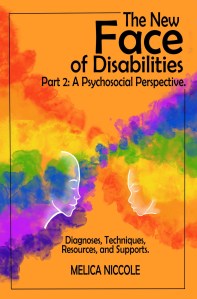
Can you tell us more about yourself and in what ways have you connected with the New Face of Disabilities Part 2: A Psychosocial Perspective?
As someone who lives with a disability myself, connecting with this book felt very natural. I have epilepsy, and while there is always new information and new resources available, they can often be difficult for individuals to find or navigate. What I appreciated most is how the book brings those ideas and resources together in a way that is both accessible and thoughtful. Beyond that,this book led me to reflect more deeply on my own experiences and helped me think about my disability within a broader psychosocial context that I hadn’t previously considered.

Is there any additional information you would like to share (Coping techniques, resources, etc.)?
The greatest advice I want to share is about emotion, rather than technique. I think one of the biggest concerns many people are facing right now is the fear of being displaced by AI. For everyone involved in writing and the writing process, it’s important to remember that humanity can’t truly be replicated. Human perspective, commentary, and lived experience bring a depth to writing that technology alone can’t replace. There is real value in the human voice and the

 Melica Niccole
Leave a comment